OUR SERVICES > PERMITTING & VARIANCE SUPPORT
Permitting & Variance
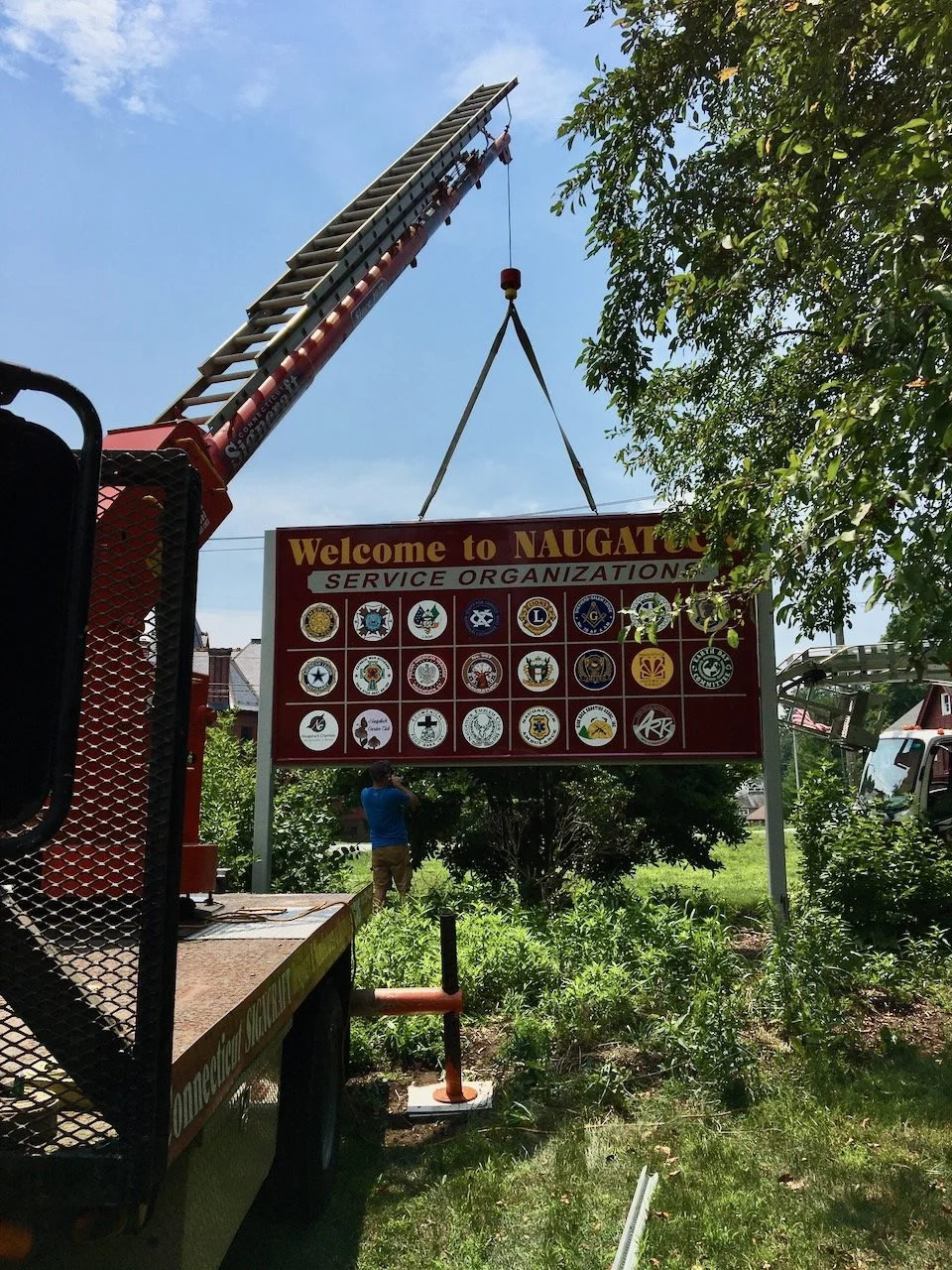
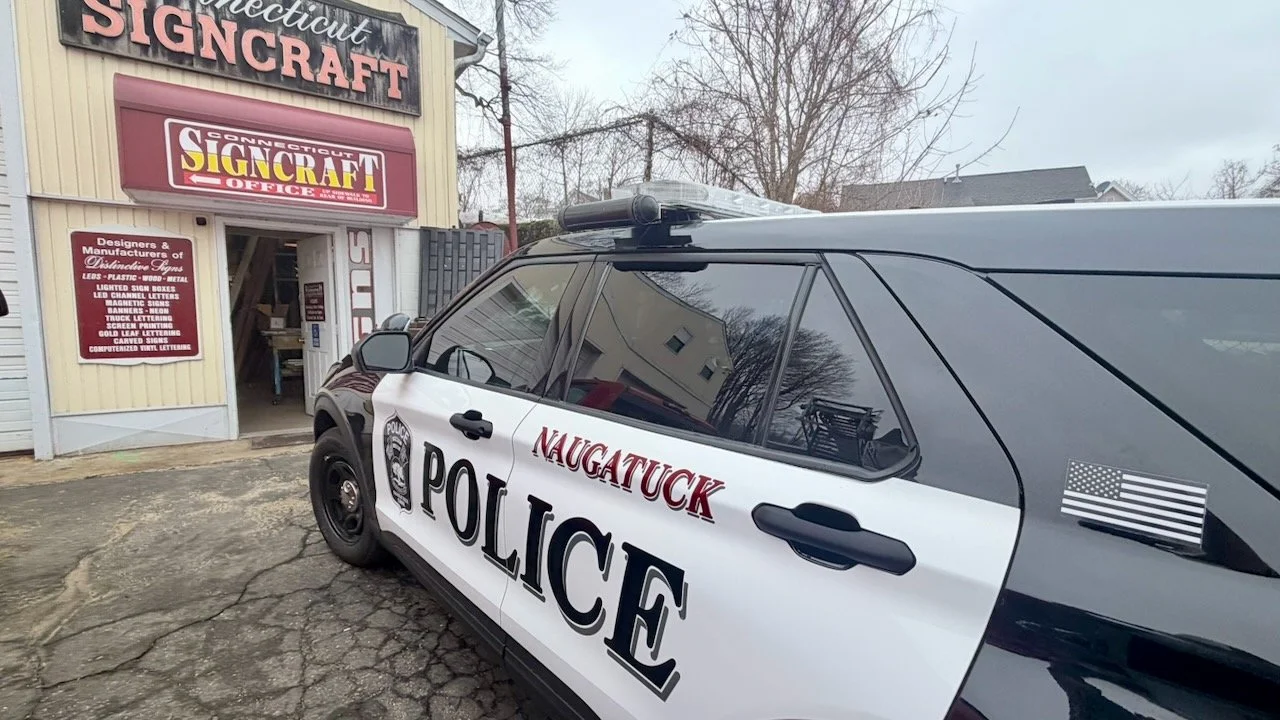
Sign rules vary by town—and many properties have their own sign criteria. Permitting can be simple, or it can slow a project down if nobody plans for it. We help you navigate requirements early so your project stays compliant and moving. Connecticut Signcraft has been doing commercial signage since 1977.
Why Permitting Matters
Permitting isn’t exciting—but it’s the difference between a smooth project and a stalled one.
A good permitting plan helps:
• Avoid delays and redesigns late in the process
• Confirm size, placement, and illumination requirements early
• Keep schedules and installs more predictable
• Reduce “surprise” issues with landlords or towns
What We Help With
Town requirements and landlord standards vary, so we start by clarifying the likely path based on your sign type and location.
Support typically includes:
• Identifying whether permitting is likely required based on sign type and site
• Helping collect the information needed to move forward (photos, sizes, placement notes)
• Coordinating around landlord/plaza sign criteria when applicable
• Organizing documentation and specs needed for submissions (scope dependent)
• Adjusting design/sizing if the town/landlord requires changes
• Variance support when projects require exceptions (where applicable)
What We Need From You
If you want permitting to go smoothly, start with complete info:
• Address / location
• Storefront/building photos (wide shot + close-up of sign area)
• What you want the sign to say
• Any preferred sign type (if you already know)
• Landlord/plaza criteria (if you have it)
• Photos of existing signage (if replacing)
• Target date (opening date, deadline, or timeline)
Typical Approval Factors
Each town is different, but approvals often involve:
• Sign area (square footage) and overall sizing
• Height and placement (especially freestanding signs)
• Illumination type and brightness
• Projection and mounting (blade/projecting signs)
• Historic districts or design review boards
• Freestanding signs vs wall signs (different rules)
Digital displays often have additional rules for animation, brightness, and dwell time.
Sign Types We Build
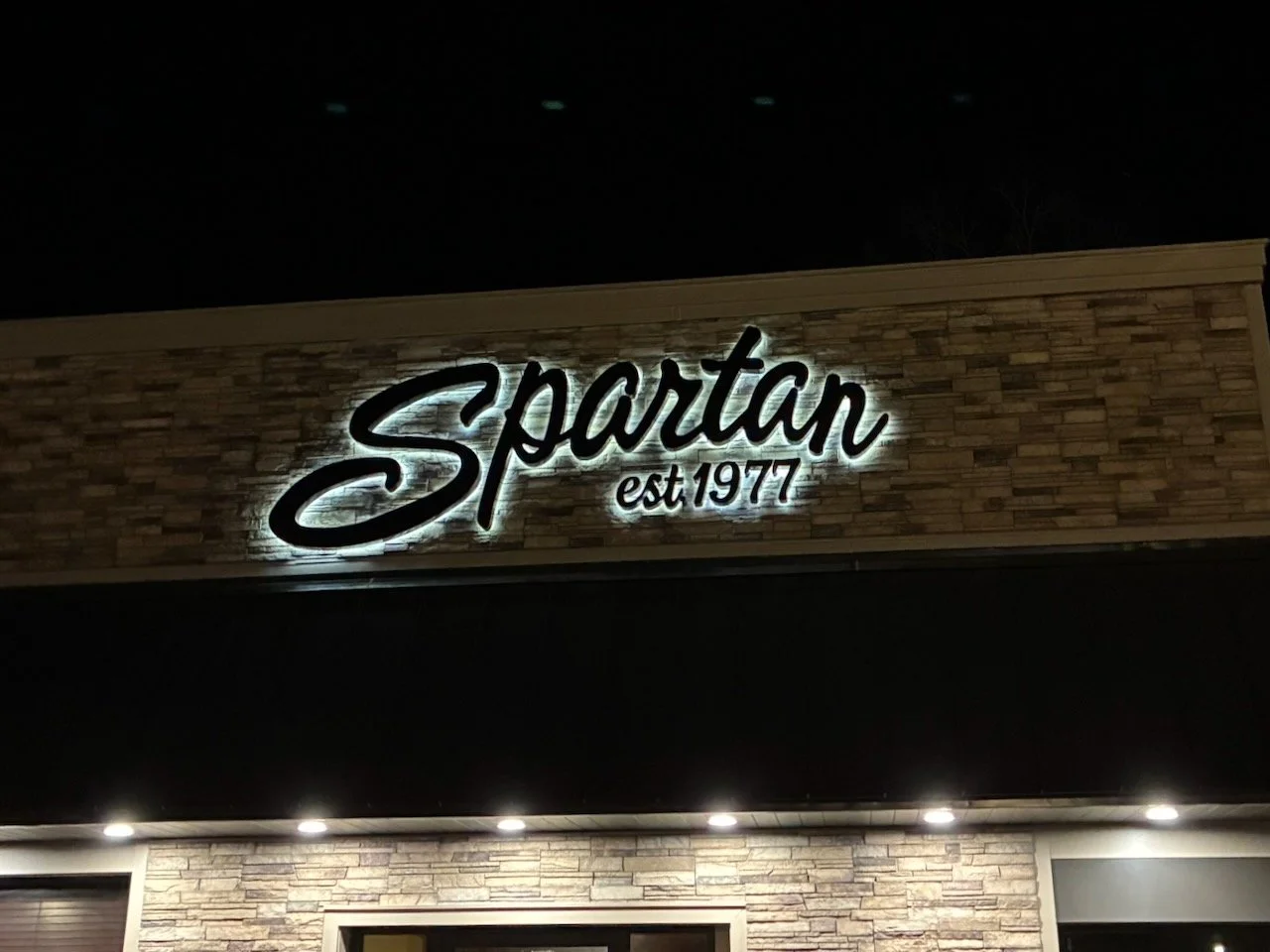
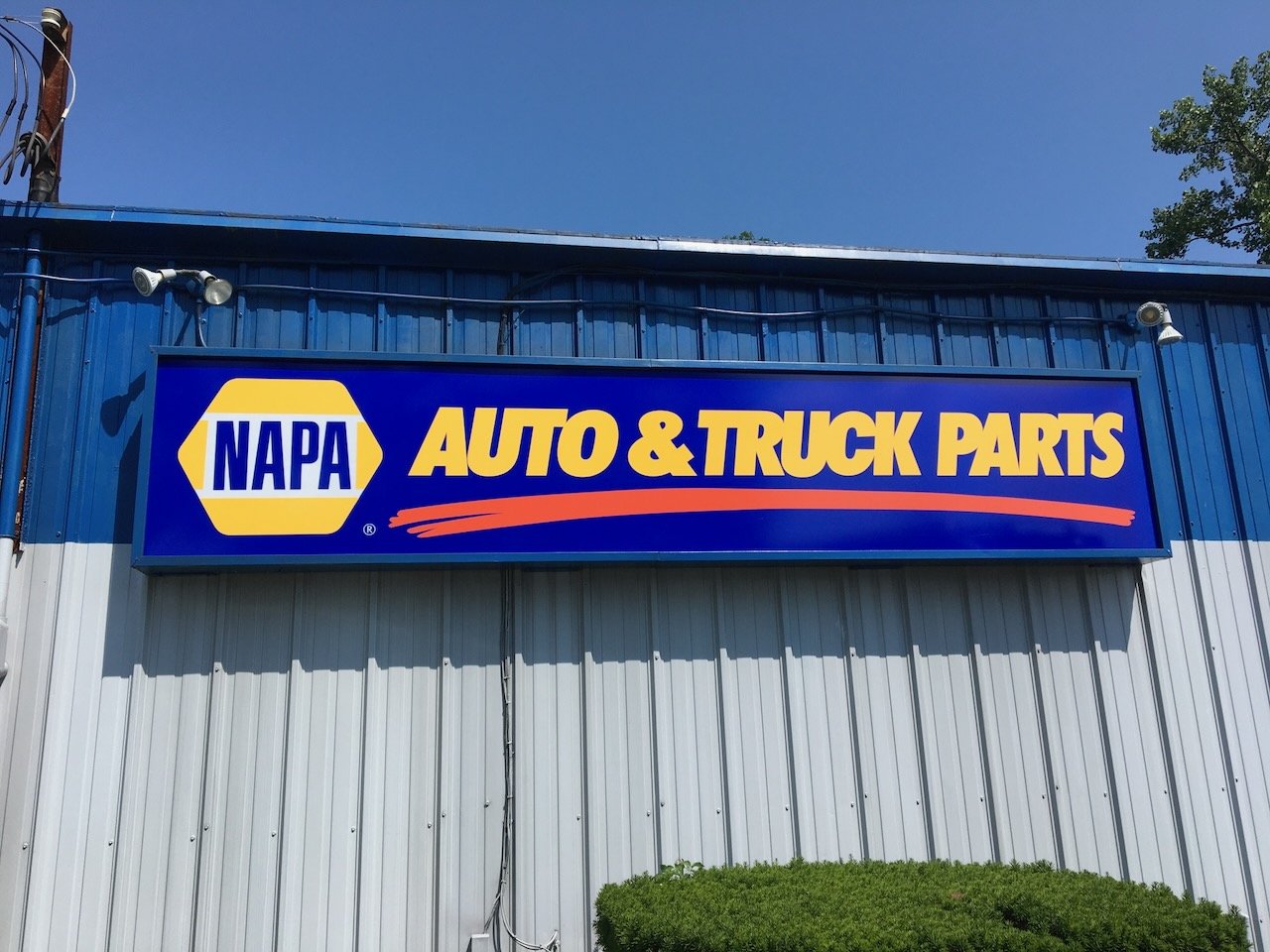
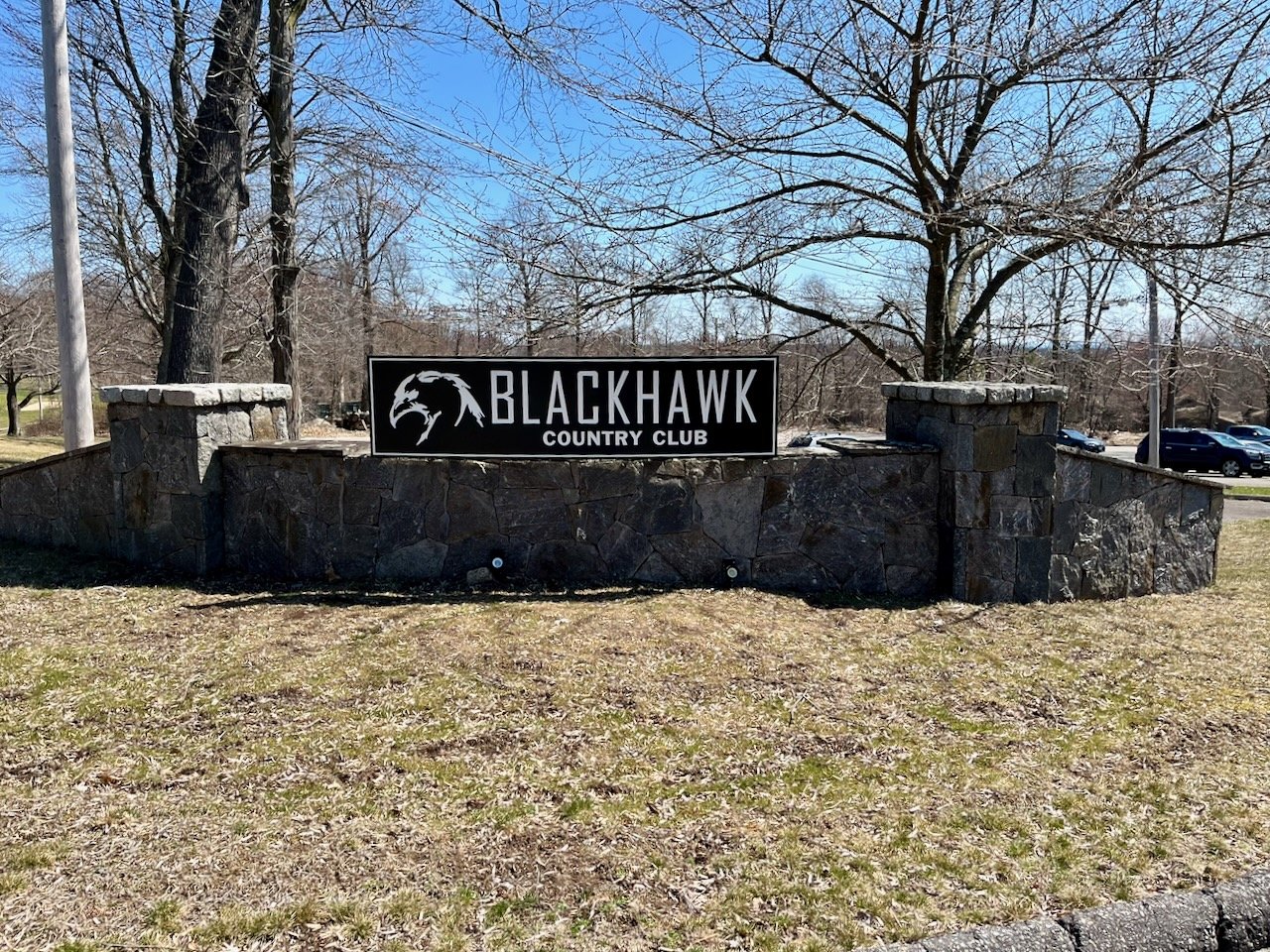
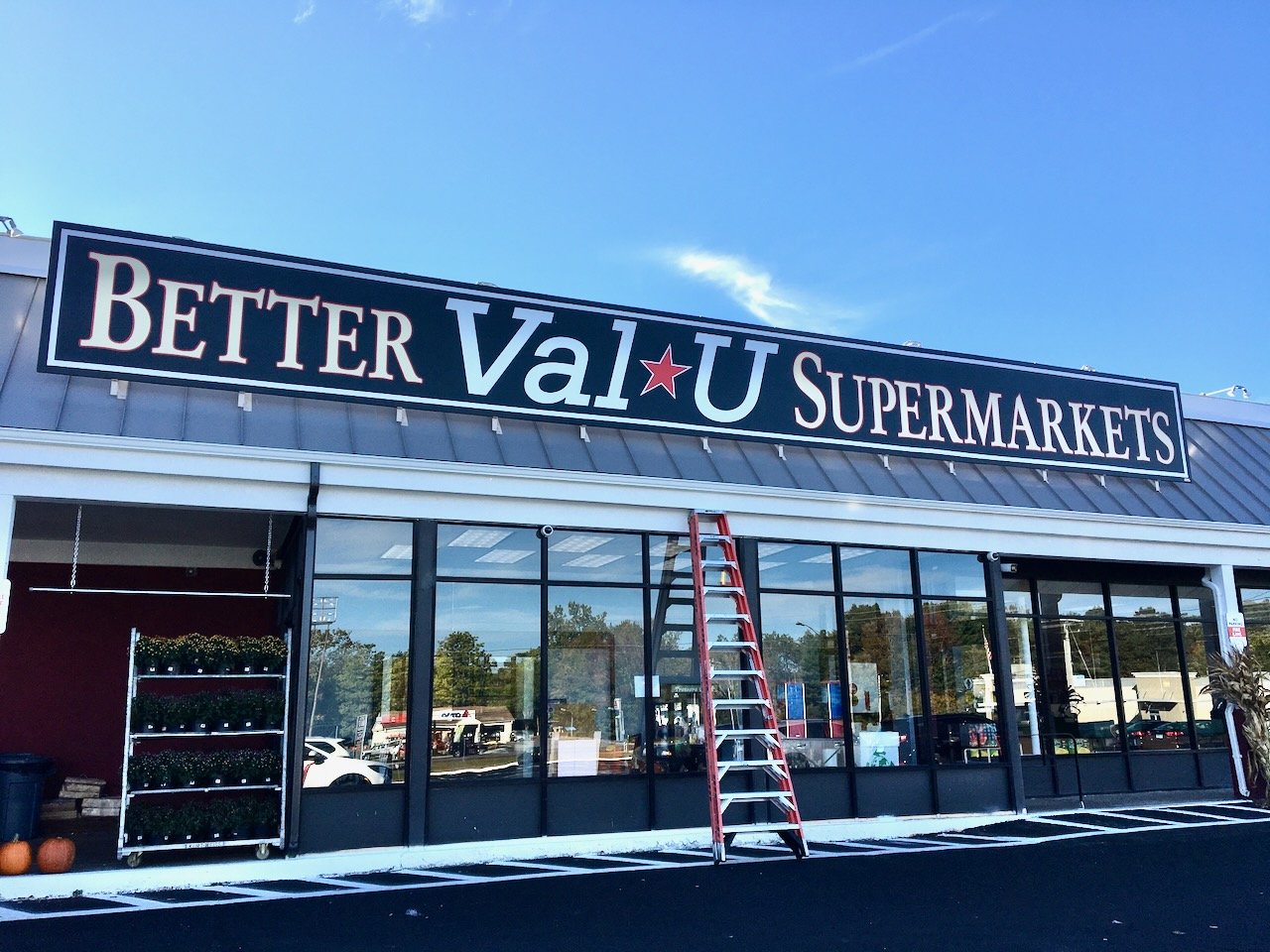
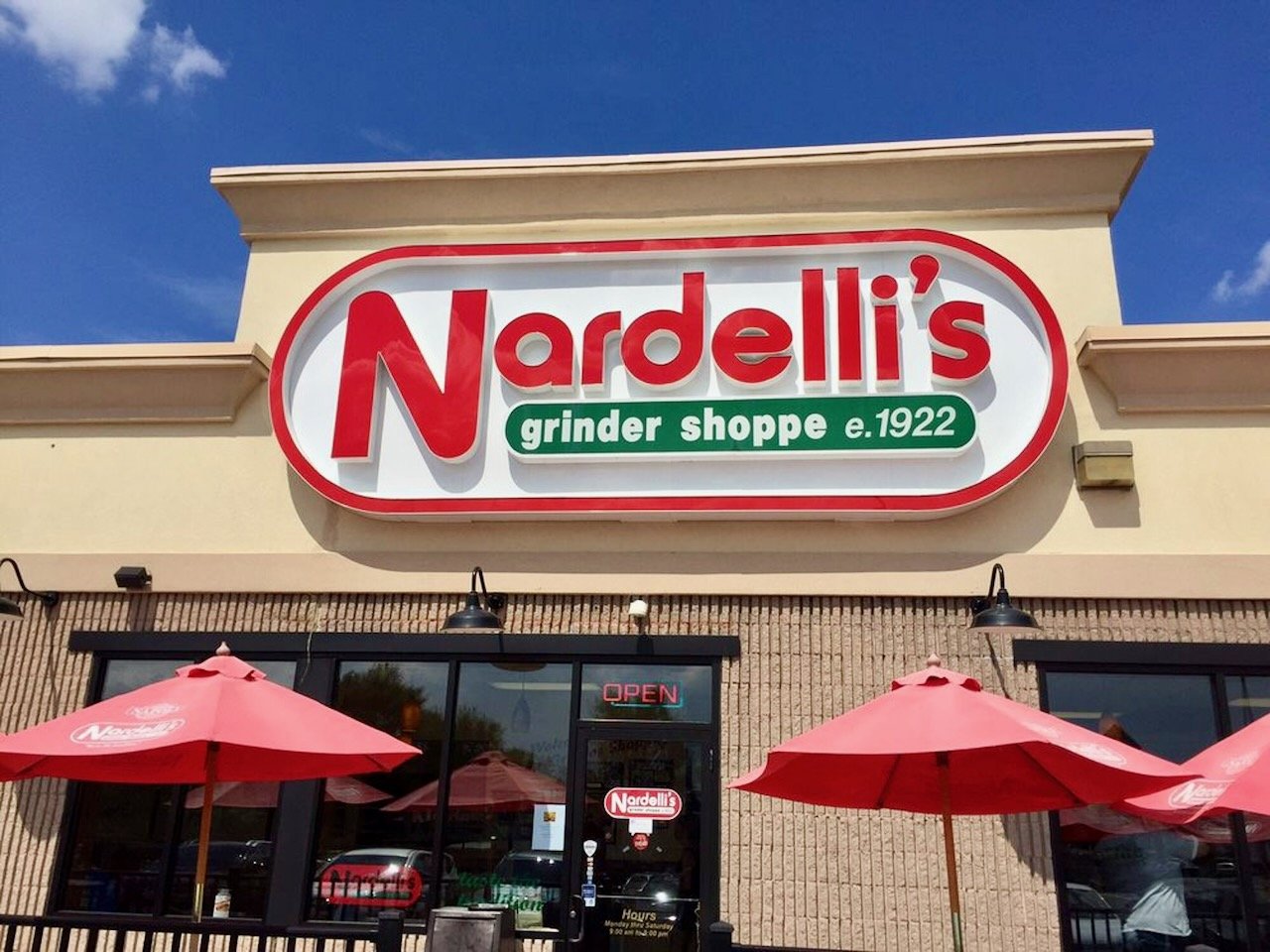
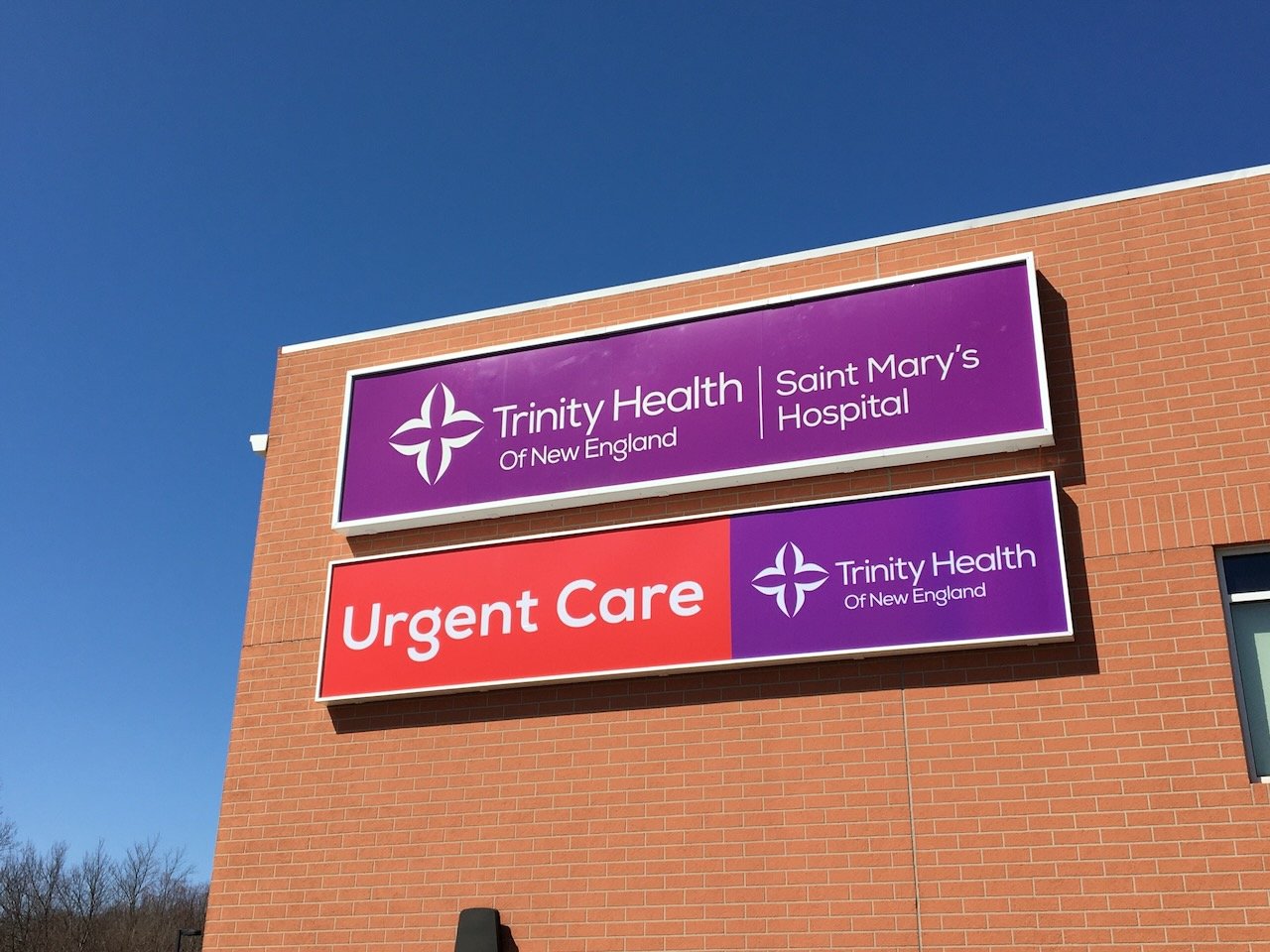
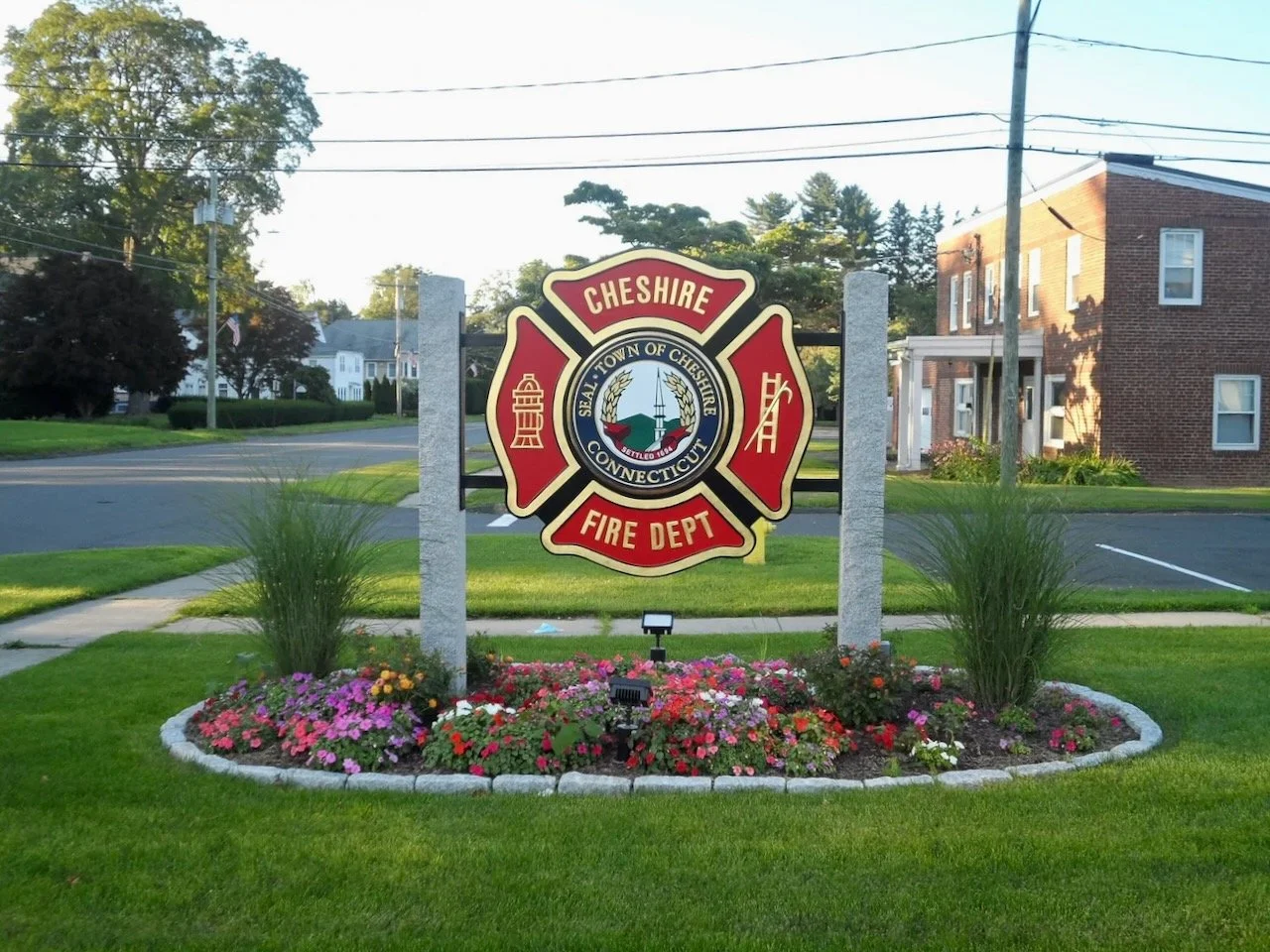
Need a quote for a new sign or graphics?
If you’re planning a new sign, replacing an old one, or exploring options for your business, we’d be glad to help. Connecticut Signcraft can review your needs, answer questions, and provide a clear bid for the work you’re considering.
The more details you share, the faster we can respond with helpful next steps.