OUR SERVICES > SITE SURVEY
Site Survey
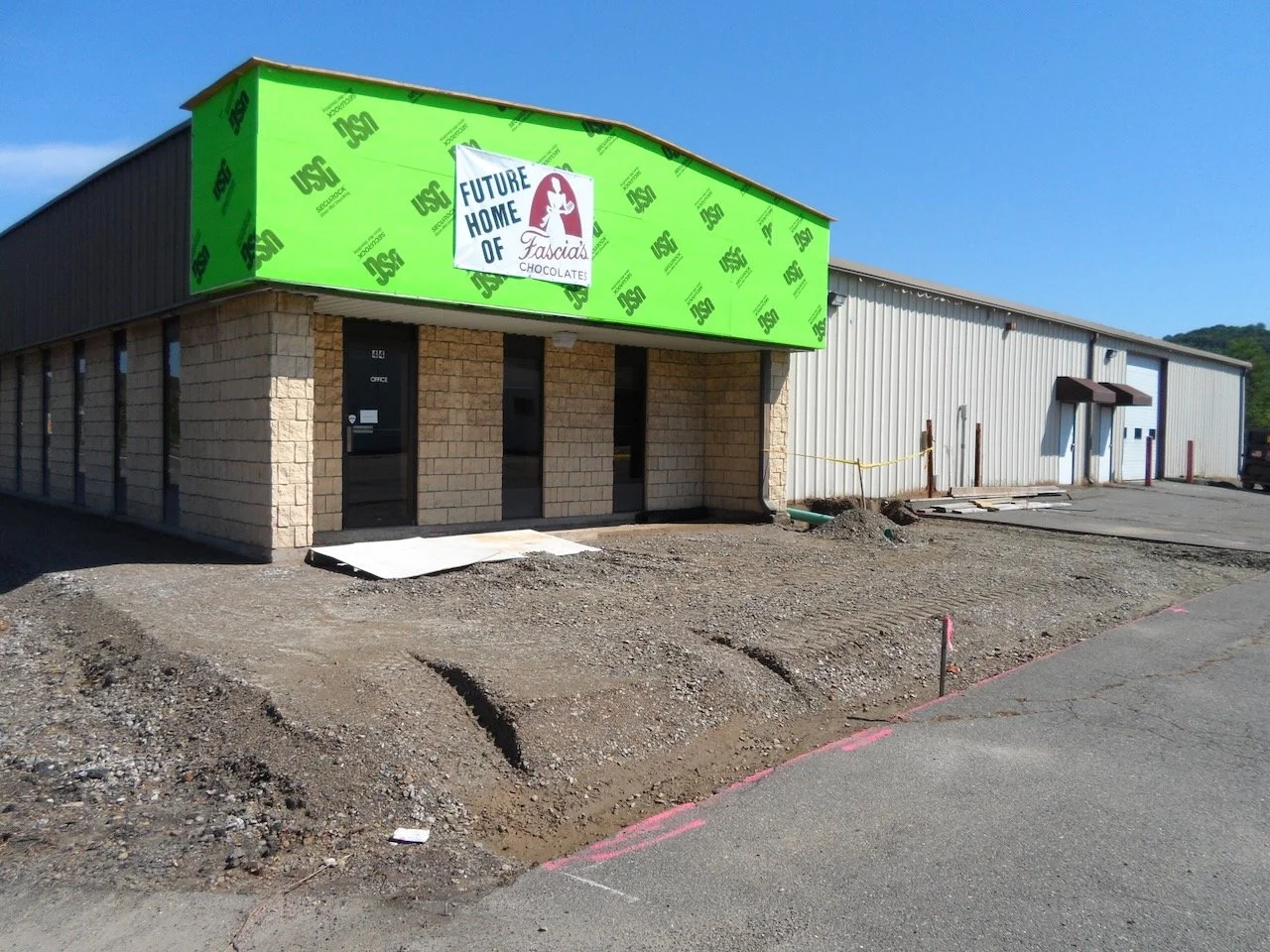
A sign should be measured and planned before it’s built—so you don’t get surprises at install. Our site survey confirms dimensions, placement, mounting surfaces, access, and requirements (including electrical considerations for illuminated signs). Connecticut Signcraft has been doing commercial signage since 1977, with in-house fabrication and installation support.
What a Site Survey Includes
A site survey is about confirming real conditions—not guessing from a screenshot.
Typical checks include:
• Field measurements (sign area, elevations, clearances)
• Visibility review (viewing distance, traffic speed, sightlines)
• Mounting surface assessment (material, condition, flatness)
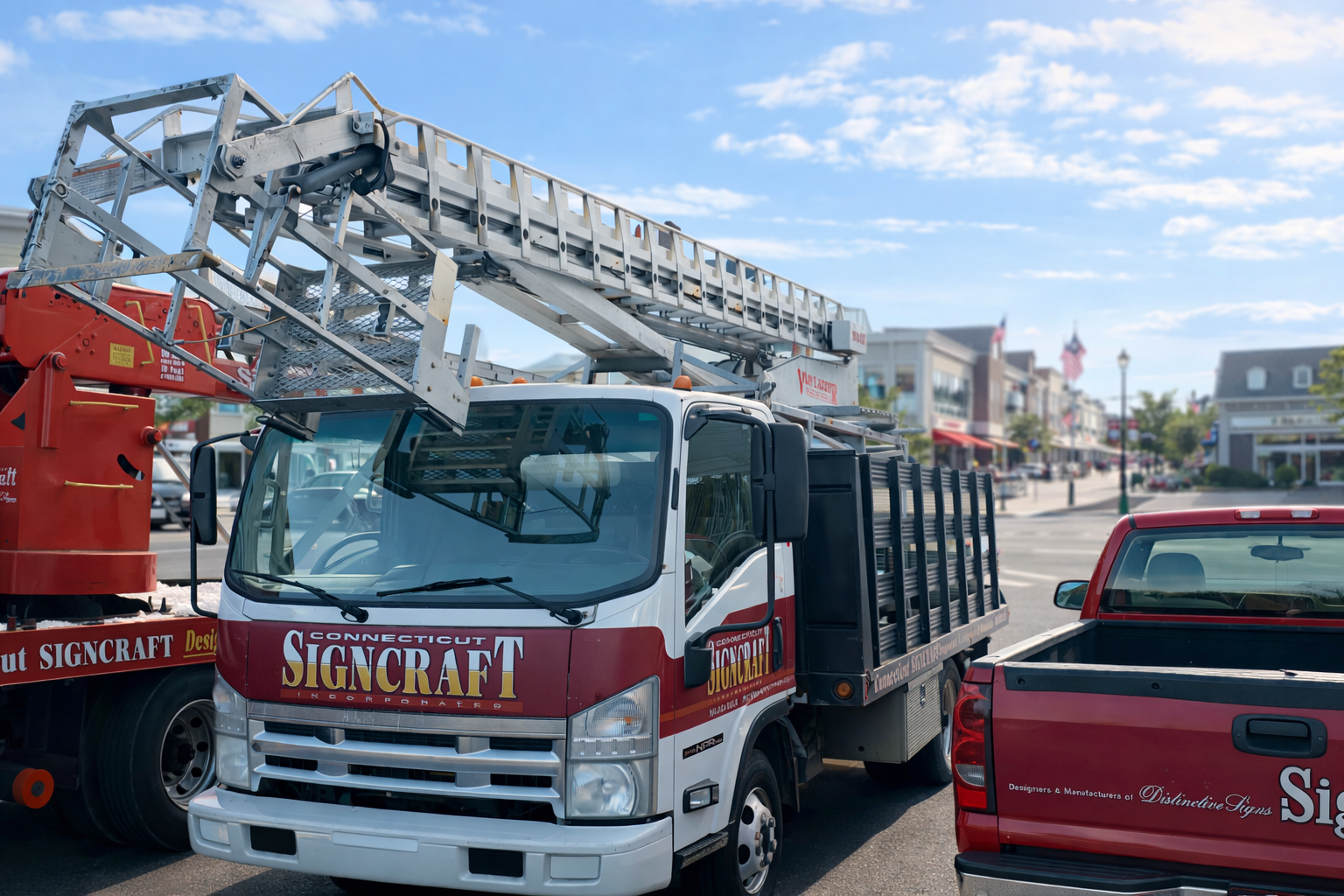
• Installation access needs (lift/bucket access, obstructions, height)
• Electrical considerations for illuminated signage (power location and routing)
• Photo documentation and notes to prevent surprises
• Review of landlord/town criteria when provided
When You Need a Site Survey
Not every job requires a full survey, but many do—especially when the install conditions can change the plan.
A site survey is commonly needed for:
• New sign installations
• Illuminated signs (channel letters, cabinet signs)
• Monument / post signs and property entrances
• Multi-tenant plazas with landlord sign standards
• Rebrands/tenant changes where existing conditions are unknown
• Sites with height/access constraints or tricky mounting surfaces
What You Get
The goal is a cleaner build and a smoother install.
Deliverables typically include:
• Confirmed measurements and placement notes
• Installation approach notes (mounting method, access constraints)
• Electrical notes where relevant (illuminated signage)
• Photo documentation
• Recommendations that prevent delays, rework, and change orders
Common Issues We Catch Early
This is why surveying matters—because these problems show up at install time if nobody checks first:
• Sign area smaller than expected
• Power access not where it was assumed to be
• Landlord criteria conflicts (size, placement, illumination)
• Mounting surface issues (uneven, damaged, unsuitable substrate)
• Access/lift constraints that affect scheduling and cost
• Obstructions (awnings, lighting, conduits, architectural features)
Catching these early keeps the job cleaner and the timeline more predictable.
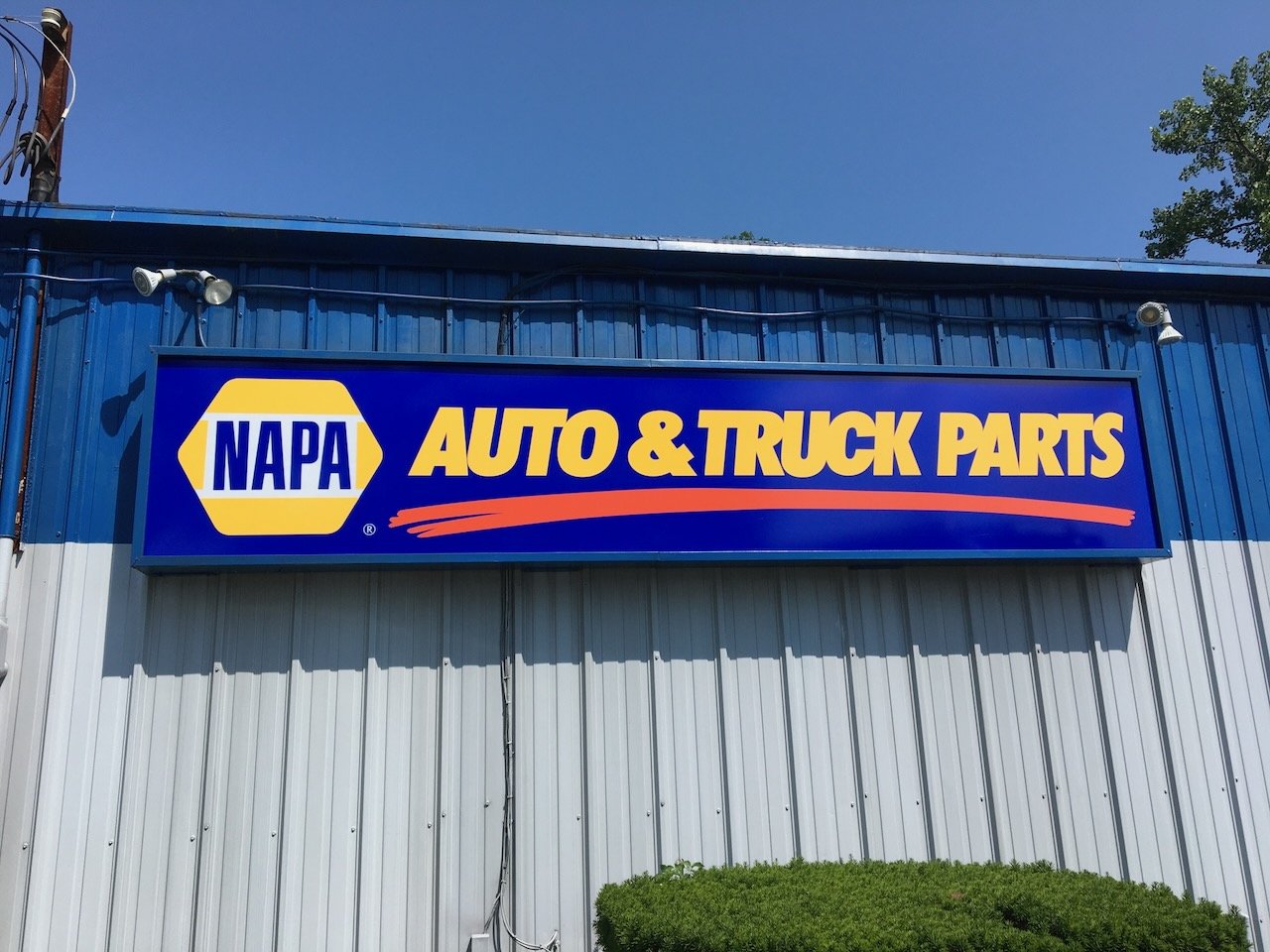
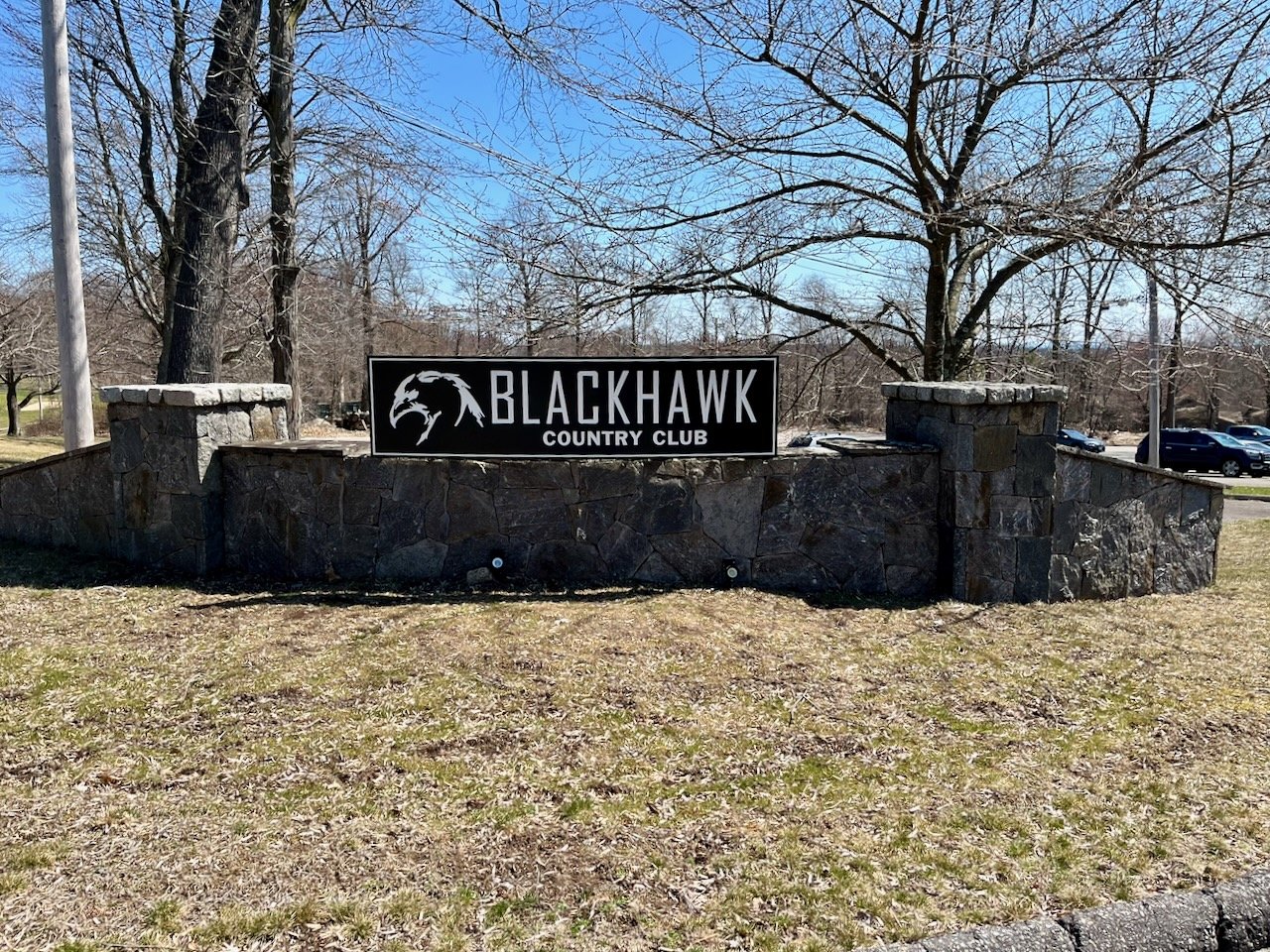
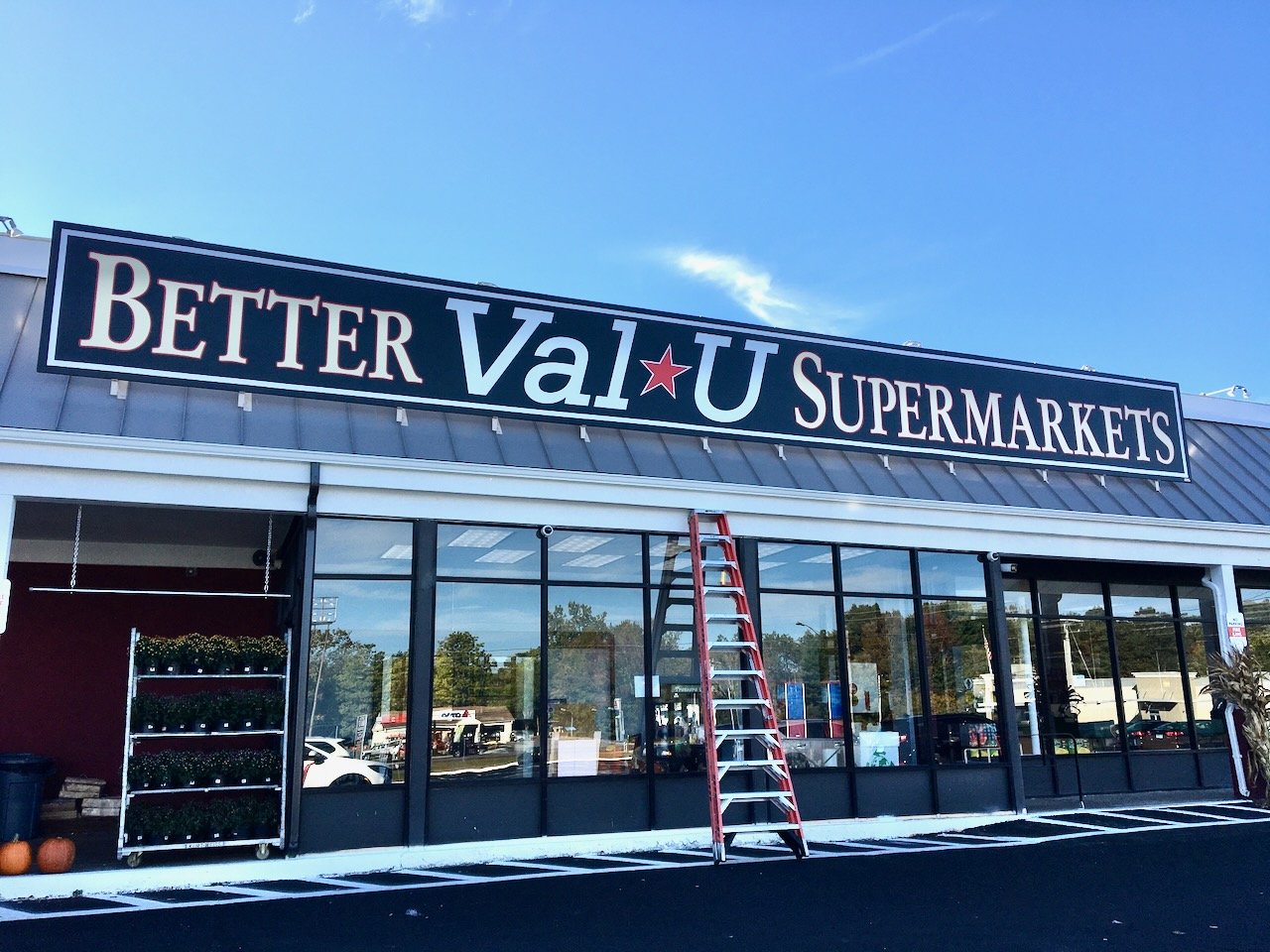
Sign Types We Build
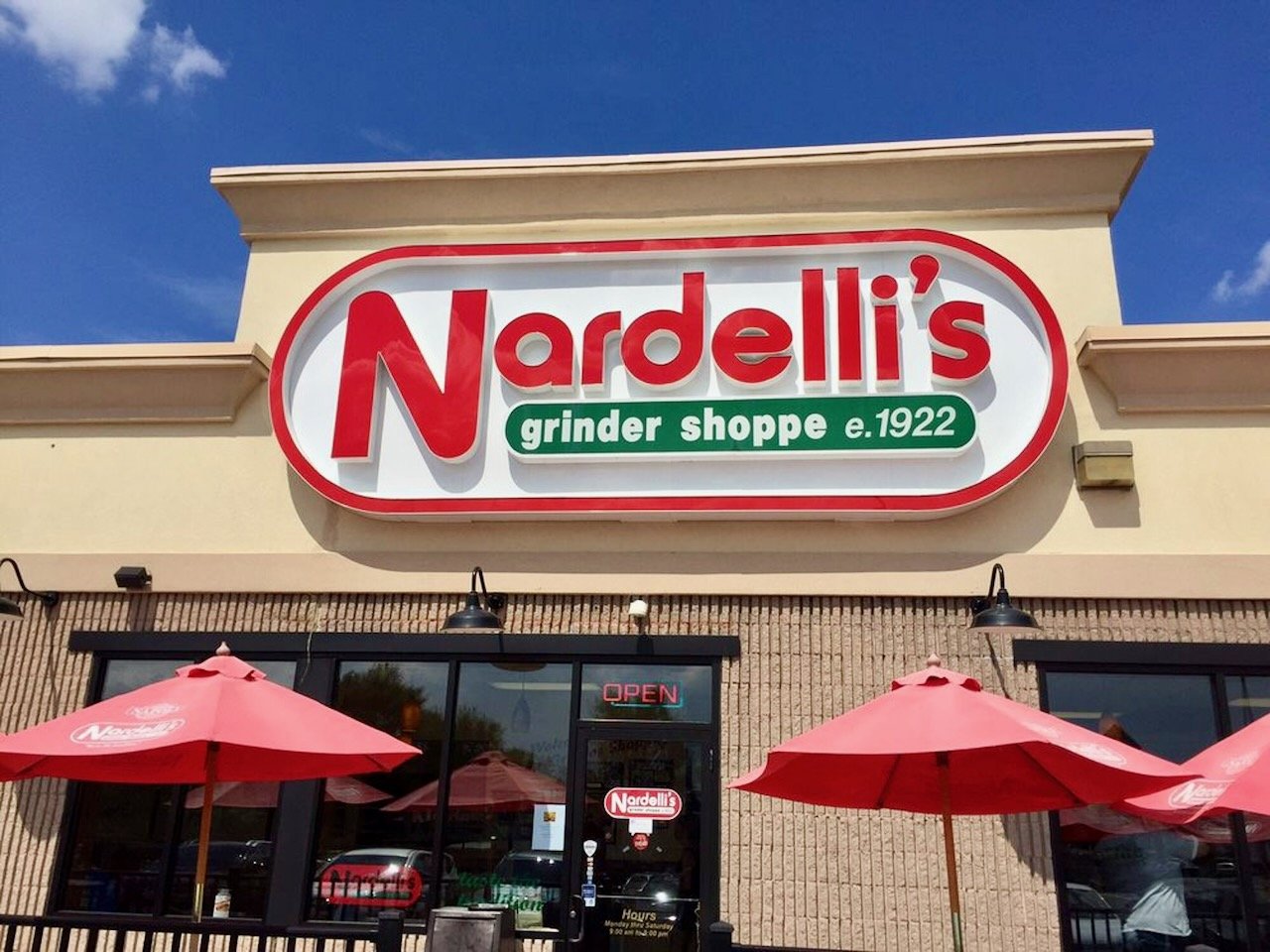
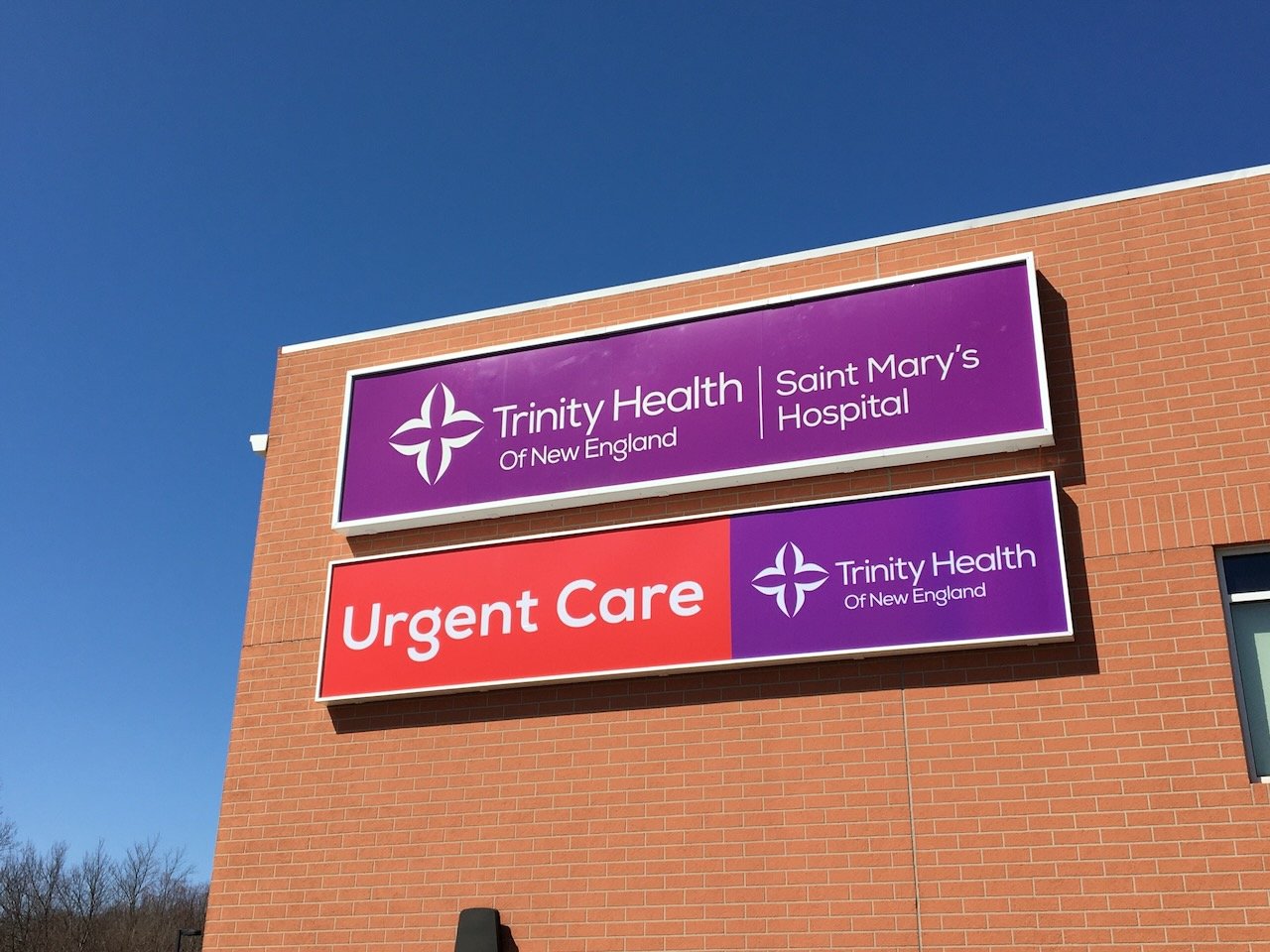
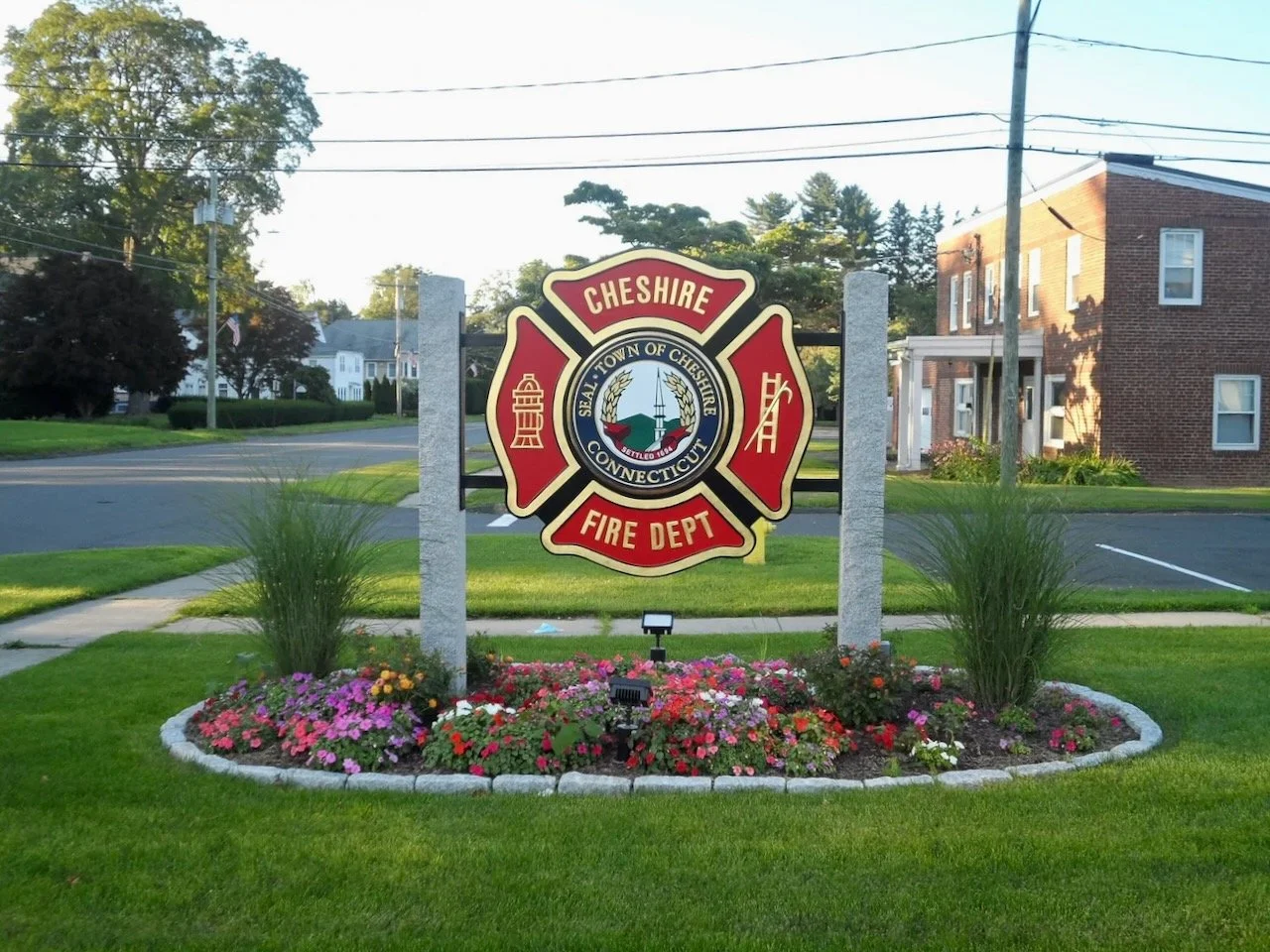
Need a quote for a new sign or graphics?
If you’re planning a new sign, replacing an old one, or exploring options for your business, we’d be glad to help. Connecticut Signcraft can review your needs, answer questions, and provide a clear bid for the work you’re considering.
The more details you share, the faster we can respond with helpful next steps.